Experienced Carpenter for Tailored Woodwork Solutions
A seasoned carpenter plays an crucial role in custom woodwork solutions. Their expertise ensures that projects are executed with precision and innovation. From custom cabinetry to unique shelving, these craftspeople transform ideas into functional pieces. Recognizing the qualities that define a skilled carpenter can greatly affect the outcome of a project. Knowing how to successfully work together and plan finances is equally important. What essential elements should one take into account when initiating such a custom endeavor?
Why Hire a Proficient Carpenter for Custom Woodwork?
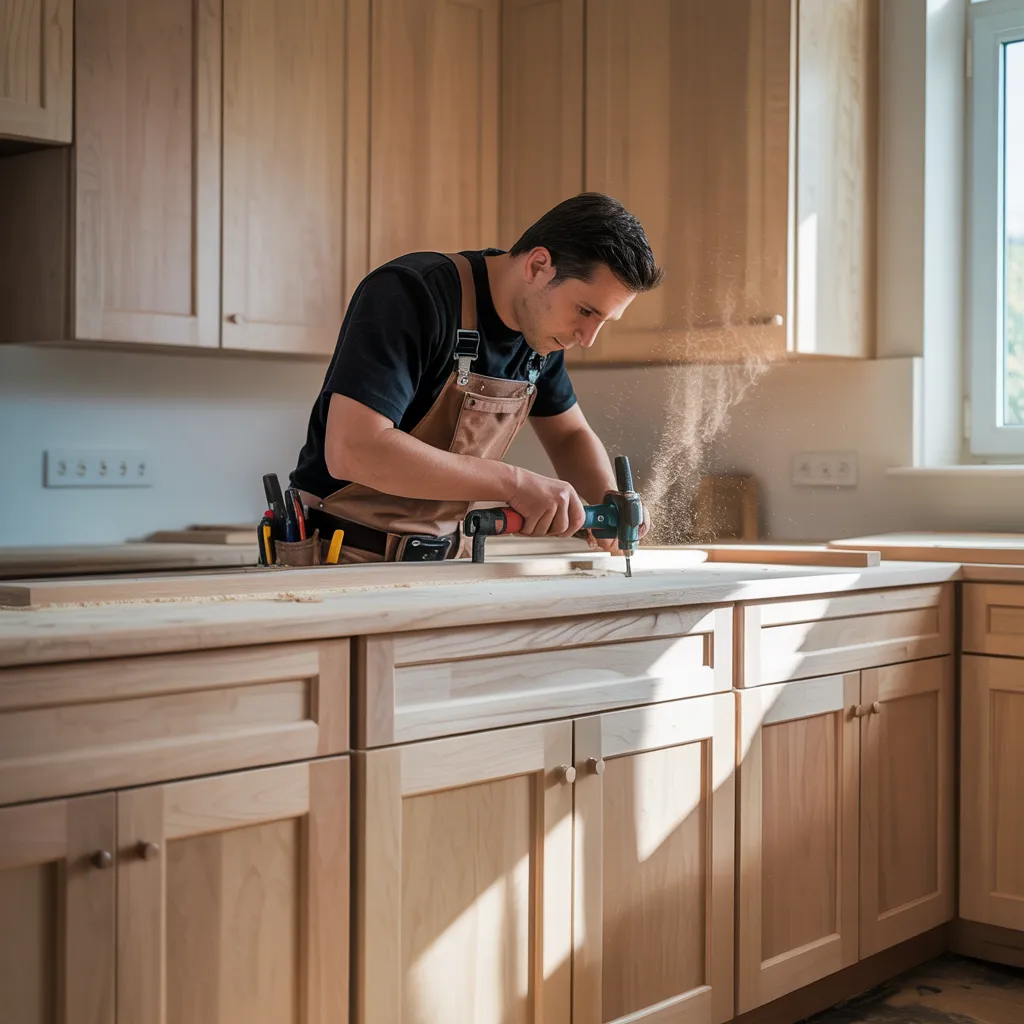
Hiring a proficient carpenter for tailored wood projects can greatly improve the quality and aesthetics of a project. Woodworking expertise ensures that each item is crafted with accuracy, close care to detail, and a thorough knowledge of materials. Experienced woodworkers provide the essential tools and techniques to convert concepts into functional art, whether it involves cabinetry, furniture, or decorative components. Their skill allows them to predict challenges and deliver effective solutions, culminating in a finished product that matches the client’s vision. Additionally, a competent carpenter can share expert advice about wood varieties, finishes, and design styles, enriching the overall outcome. The investment in a skilled artisan often results in exceptional quality that endures over time, offering both beauty and strength. Ultimately, hiring a skilled carpenter is essential for achieving high-quality custom woodwork that uplifts any space.
Browse Personalized Woodwork Options to Beautify Your Environment
Custom woodwork solutions deliver a variety of possibilities for upgrading any area, enabling homeowners to personalize their environments with distinctive designs. From bespoke cabinetry to intricate moldings, custom woodwork can convert ordinary rooms into remarkable ones. Customized solutions such as built-in shelves, decorative mantels, and custom furniture can maximize functionality while adding visual appeal.
Homeowners can choose from multiple wood types, finishes, and styles to design a cohesive look that enhances their existing decor. The versatility of wood allows for both modern and classic designs, catering to varied tastes. Additionally, custom woodwork can address specific needs, such as optimizing space efficiency in small spaces or creating unique focal points in larger areas.
Key Features to Discover in Your Carpenter
When launching a custom woodwork project, it is essential to find a carpenter who possesses key qualities that ensure both quality craftsmanship and strong communication. Primarily, experience is vital; a seasoned carpenter brings useful skills and insights that can enhance the project. Attention to detail is another key quality, as precision can significantly affect the final result. Additionally, creativity is significant, enabling the carpenter to suggest innovative solutions that align with the client's vision.
Reliability holds significance; a dependable carpenter meets deadlines and respects project timelines, ensuring a smooth workflow. Strong interpersonal skills are critical, as they facilitate clear exchanges about ideas, expectations, and potential challenges. Finally, a good carpenter should show a dedication to customer satisfaction, emphasizing the client's needs and preferences throughout the project. By seeking these qualities, clients can secure a successful collaboration and exceptional custom woodwork outcomes.
How Can You Successfully Team Up With Your Carpenter Regarding Creative Solutions?
Strong partnership with a carpenter commences by openly discussing design visions. This transparent communication facilitates a productive flow of ideas, where both parties can offer inventively. Appreciating the carpenter's expertise can generate original solutions that enhance the overall project.
Express Your Perspective
How can property owners guarantee their design ideas are effectively communicated to their woodworker? Clear communication is crucial for effective teamwork. Homeowners should begin by creating visual materials, such as drawings, photos, or inspiration boards, to illustrate their concepts. This assists bridge any gaps between vision and implementation. Additionally, discussing specific dimensions, supplies, and finishes guarantees that anticipations match. Frequent meetings during the planning phase foster an open dialogue, allowing for modifications and clarifications as needed. Homeowners should also remain open to input, as carpenters often possess important knowledge from their experience. By establishing a collaborative atmosphere, homeowners can ensure their concept is not only communicated but also comprehended and brought to life successfully by their experienced woodworker.
Adopt Inventive Perspectives
Engaging a builder unlocks design possibilities that can boost any project. Productive collaboration centers on genuine dialogue, where clients express their wishes and expectations while being receptive to the professional's expertise. Sharing initial artwork, concept boards, or design references can supply important context, allowing the carpenter to recognize the target aesthetic and purpose.
Furthermore, taking part in brainstorming sessions fosters a creative dialogue, where both parties can explore unique ideas and alternatives. The carpenter's experience can result in practical suggestions that improve the original vision, guaranteeing the final product is both beautiful and functional. Ultimately, welcoming creative input converts a simple project into a personalized masterpiece, reflecting the distinct style and needs of the client.
How to Budget for Your Bespoke wood Project?
What elements should one consider when planning finances for a custom woodwork project? First, the selection of resources notably affects costs. High-quality wood, hardware, and finishes can elevate the project's price. Second, the complexity of the design should be evaluated; detailed patterns or custom features demand more time and skill, which can increase labor costs.
Additionally, the size of the undertaking serves as an crucial factor; bigger pieces inherently require more resources and effort. One must also account for possible extra expenses, such as licenses or setup fees.
Finally, integrating a buffer for unexpected costs ensures the project remains within budget. By carefully evaluating these factors, one can create a realistic budget that reflects both the quality desired and the limitations of available funds. Advance planning and working with a skilled carpenter can further aid in improving the budget, facilitating a successful custom woodwork project.
The Extended Advantages of Tailored Woodwork Craftsmanship
Putting money into handcrafted wood solutions extends beyond initial investment, delivering significant lasting returns that can enhance both style and performance in a space. High-quality craftsmanship guarantees durability, often outlasting mass-produced alternatives. Bespoke furnishings are designed to fit unique requirements, maximizing room efficiency and improving organization, which can contribute to increased property value.
Additionally, the unique character of handcrafted wood elements adds a personalized touch that elevates the overall ambiance of a business space or residence. This bespoke quality commonly captivates buyers and can enable a property stand out in the competitive market.
Additionally, bespoke woodwork allows the use of sustainable materials, contributing to eco-conscious living. Clients often discover that the outlay pays off through reduced maintenance costs and the enduring appeal of bespoke items. Fundamentally, bespoke woodwork is not just a buy; it's a commitment to excellence and individuality that can yield significant returns over time.
Frequently Asked Questions
What Types of Wood Are Ideal for Personalized Projects?
Hardwoods like oak, maple, and cherry work best for made-to-order work because of their robustness and pleasing looks. Softwoods such as pine and cedar continue to be popular for their workability and cost-effectiveness throughout countless domains.
How Long Will a Custom Woodwork Project Typically Take?
A bespoke wood project typically takes anywhere from a few days to several weeks, based on the level of complexity, choice of materials, and skilled labor needed. Timelines can vary considerably based on the project's specific requirements and the woodworker's schedule.
Is it feasible to review examples of Your Past Work?
A portfolio displaying diverse works includes samples of past projects. Interested individuals can explore photographs and descriptions that highlight craftsmanship and design, illustrating the variety and excellence of completed bespoke woodwork endeavors.
Are Guarantees Available for Your Bespoke Woodwork?
Yes, coverages are offered on made-to-order wood products, assuring outstanding quality and sustained durability. This commitment demonstrates confidence in craftsmanship, enabling consumers to have confidence in their investment, realizing that any issues will be taken care of right away.
How Do You Address Changes During the Project?
Project changes are handled through transparent communication and cooperation. The carpenter proposes modifications to the client, making sure all insightful guide changes correspond with the original vision while fulfilling any new requests or requirements successfully.